Actuator
Research on various types of actuators

My Role Description
1. Actuator Devlopment
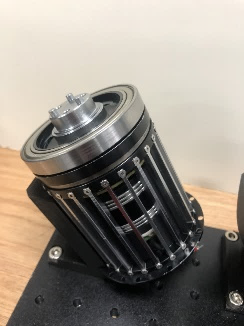
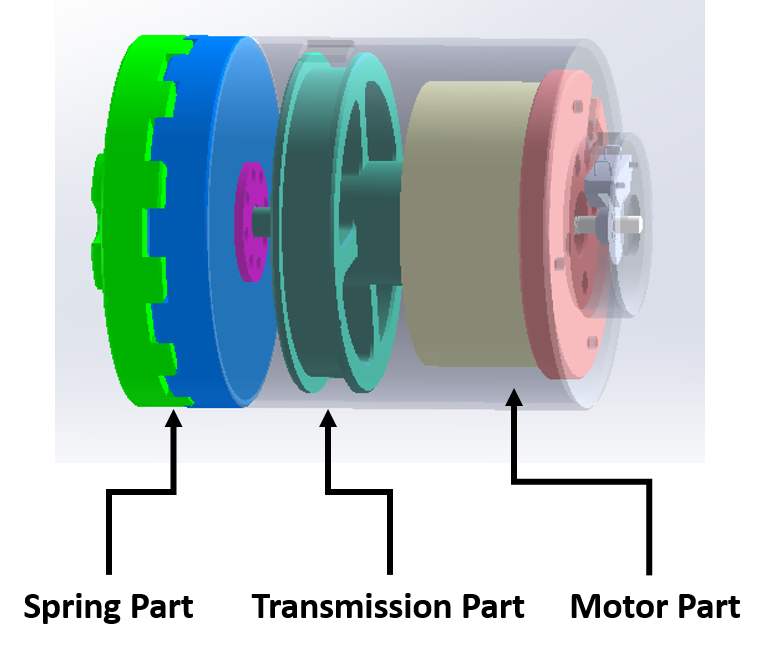
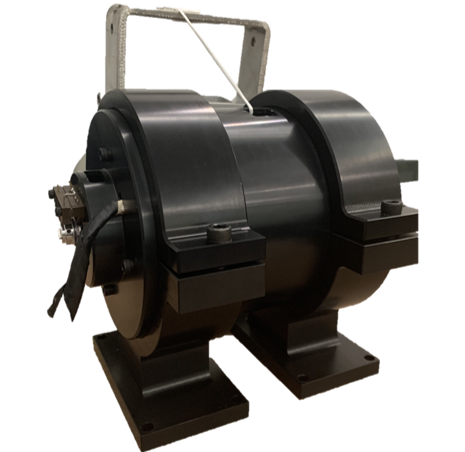
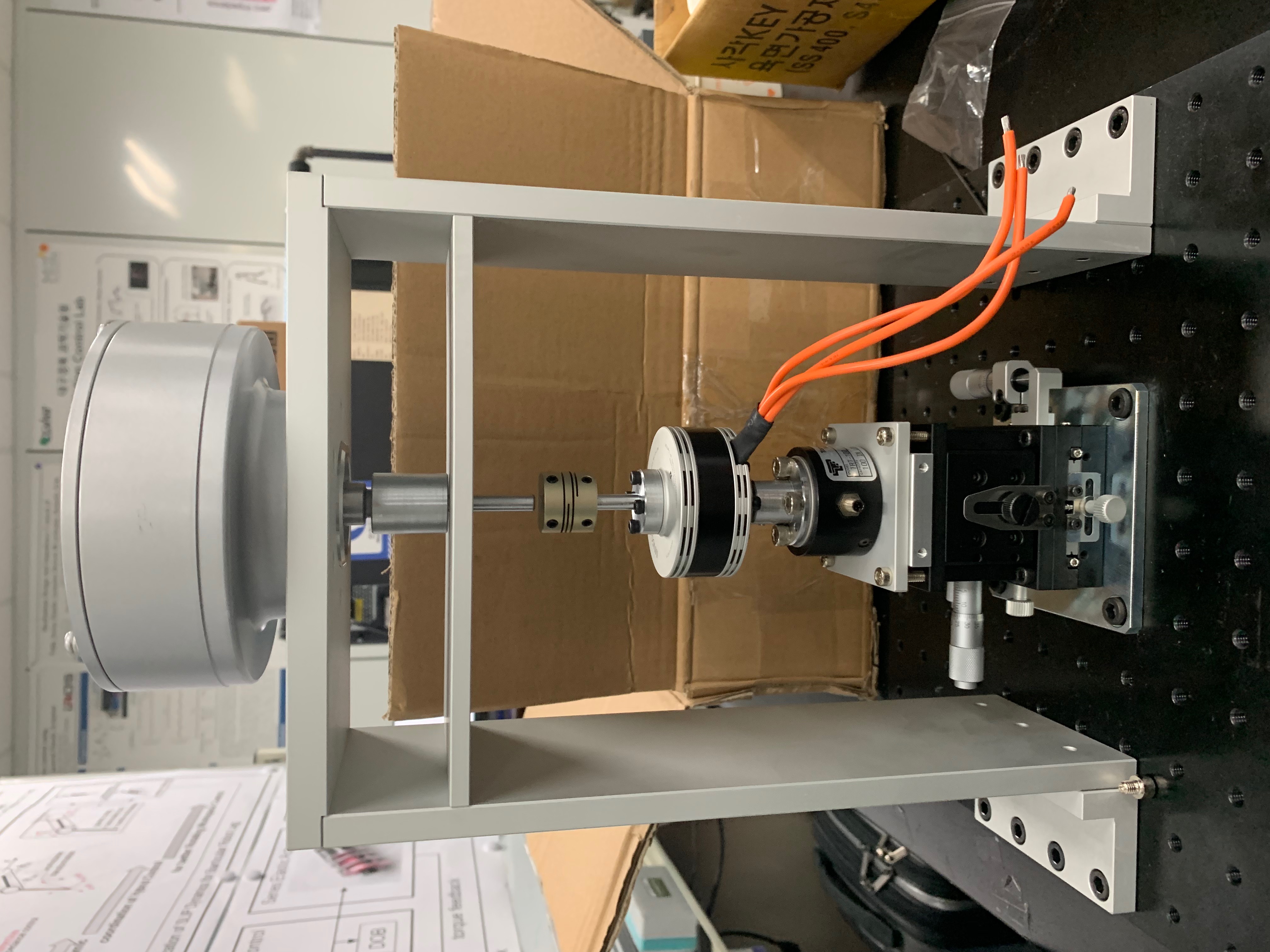
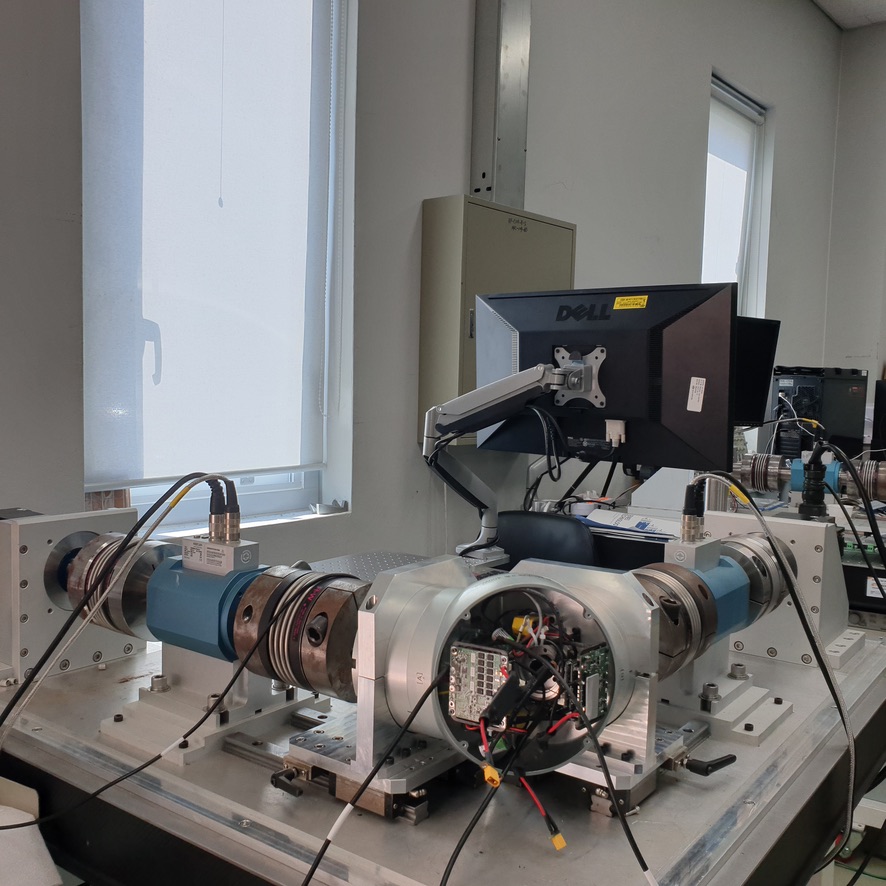
I have worked with various types of actuators. Initially, the Series Elastic Actuator (SEA) was one of my research topics. SEA offers advantages such as impact mitigation and high force measurement resolution. I participated in designing a novel, compact SEA that integrated a motor driver as a module. Following this, I developed a Parallel Elastic Actuator (PEA), which was well-suited for exercise-assist robots due to its ability to enhance human force with a spring mechanism. At KIMM, I contributed to the modularization of a two-axis Rigid Actuator (RA). To validate its performance, I conducted dynamometer tests, which provided critical data for designing robots with appropriate actuator specifications.
2. Actuator Force Control
At DGIST, I developed an actuator force control algorithm. My initial focus was on minimizing motor torque ripple. I discovered that the ripple torque remained consistent regardless of the angle and successfully reconstructed it as a multi-sine function. By applying a compensation algorithm, I reduced torque ripple by more than 90%. I then extended this approach to address harmonic ripple, further enhancing force control performance. At KIMM, the actuator lacked a force sensor, requiring us to rely on the motor driver’s current for torque estimation. To improve torque control accuracy, we conducted experiments to determine the motor’s torque constant, which significantly enhanced the actuator’s torque control performance.